Car Maintenance
Author : Elias Riadi Published : December 31, 2025
Car Maintenance: Complete Guide to Keeping Your Vehicle Safe and Reliable
Car Maintenance: Complete Guide to Keeping Your Vehicle Safe and Reliable
Car maintenance refers to the routine inspection, servicing, and repair of a vehicle to ensure it operates safely, efficiently, and reliably. Proper maintenance reduces breakdowns, improves safety, and extends the life of your car.
Many drivers view car maintenance as optional or something to delay until a problem appears. In reality, consistent vehicle maintenance plays a major role in road safety, reliability, and long-term cost savings.
This guide explains what car maintenance involves, why it matters, which tasks drivers should prioritize, and how maintaining your vehicle helps prevent accidents and mechanical failures.
Table of Contents
- 1. What Is Car Maintenance?
- 2. Why Car Maintenance Is Important
- 3. Basic Car Maintenance Tasks
- 4. Engine and Fluid Maintenance
- 5. Tire and Brake Maintenance
- 6. Electrical and Lighting Systems
- 7. Steering and Suspension Checks
- 8. Seasonal and Climate Considerations
- 9. Common Car Maintenance Mistakes
- 10. Frequently Asked Questions
1. What Is Car Maintenance?
Car maintenance includes all routine actions taken to keep a vehicle operating correctly. These actions range from simple inspections, such as checking tire pressure, to more complex services like brake replacement.
Maintenance can be preventive, addressing potential issues before they become serious, or corrective, repairing problems once they are identified.
2. Why Car Maintenance Is Important
Proper car maintenance affects more than just vehicle performance.
- Improves driving safety
- Reduces mechanical failures
- Extends vehicle lifespan
- Helps avoid expensive repairs
- Improves fuel efficiency
Neglecting maintenance increases the risk of breakdowns and accidents caused by mechanical failure.
3. Basic Car Maintenance Tasks
Every driver should regularly perform basic maintenance checks, including:
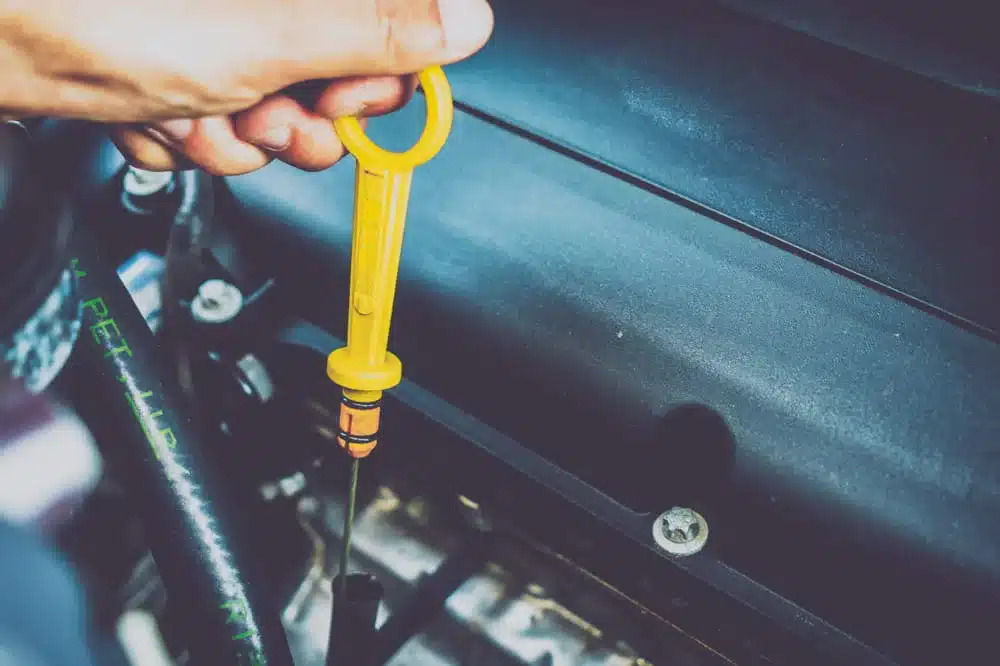
- Checking engine oil level
- Inspecting tire pressure and tread
- Ensuring lights and signals function
- Monitoring warning indicators
4. Engine and Fluid Maintenance
Fluids are essential for vehicle operation.
Drivers should monitor:
- Engine oil
- Coolant
- Brake fluid
- Transmission fluid
- Power steering fluid
Low or contaminated fluids can cause severe engine damage.
5. Tire and Brake Maintenance
Tires and brakes are critical safety components.
Proper maintenance includes:
- Maintaining correct tire pressure
- Rotating tires regularly
- Replacing worn brake pads
- Inspecting brake fluid
6. Electrical and Lighting Systems
Vehicle lighting ensures visibility and communication with other drivers.
Drivers should check:
- Headlights
- Brake lights
- Turn signals
- Dashboard indicators
7. Steering and Suspension Checks
The steering and suspension systems affect vehicle control and ride stability.
Warning signs of issues include uneven tire wear, pulling while driving, or excessive bouncing.
8. Seasonal and Climate Considerations
Climate affects vehicle maintenance needs.
Cold weather may require battery checks and antifreeze inspection, while hot climates increase the importance of cooling system maintenance.
9. Common Car Maintenance Mistakes
- Ignoring warning lights
- Delaying oil changes
- Using incorrect fluids
- Skipping inspections
These mistakes can lead to costly and dangerous failures.
10. Frequently Asked Questions
How often should oil be changed?
Oil change intervals depend on vehicle type and manufacturer recommendations.
Can I do maintenance myself?
Basic tasks can be done at home, but complex repairs should be handled by professionals.
Does maintenance affect resale value?
Yes. Well-maintained vehicles typically retain higher resale value.
Recent Posts
Traffic Rules and Right of Way | Complete Driver Guide
24 February 2026
Best Online Traffic Schools in California | DMV Approved & Court Accepted
24 February 2026
Affordable Online Traffic Schools in California
24 February 2026
Speed Camera and Red Light Ticket Issues
17 February 2026
Parking and Traffic Ticket Payments
17 February 2026
What Happens If You Don’t Complete Traffic School in California?
02 February 2026
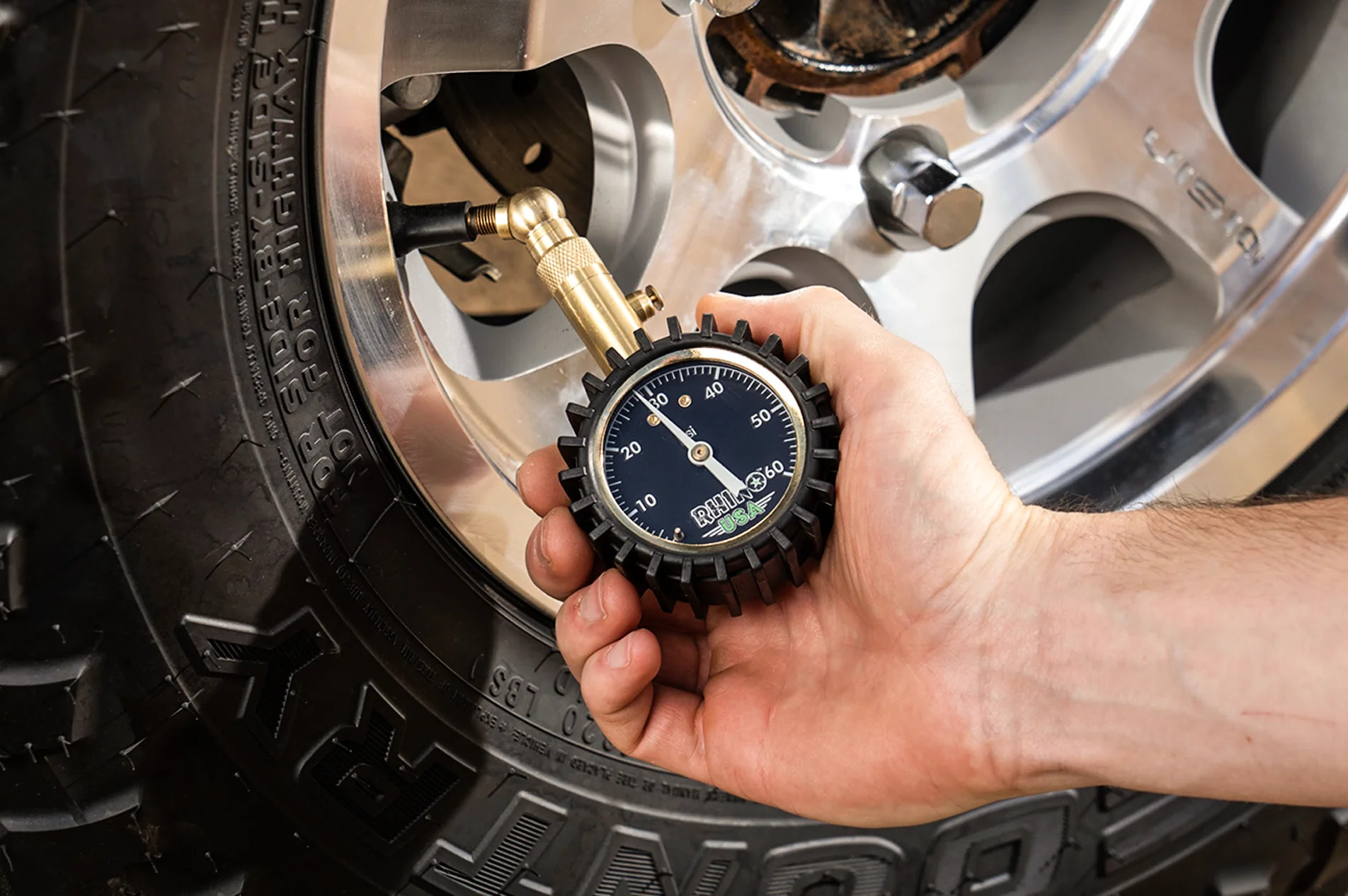
How to Check Tire Pressure: Step-by-Step Guide for Safe Driving
30 December 2025
How to Jump Start a Car: Step-by-Step Safe Guide
26 December 2025
How to Get a Driver’s License in Florida Over 18 (Step-by-Step Guide)
22 December 2025
Pennant Shaped Sign
22 December 2025
Revoked License Meaning: What It Is, Why It Happens, and How to Get It Back
14 December 2025
How Much Does AZ Traffic School Cost? Arizona Defensive Driving Explained
14 December 2025
TDLR Approved Driving Safety Course – Complete Guide
14 December 2025
How to Get a Driver’s License in Florida Over 18 (Complete Guide)
14 December 2025
Yellow Traffic Light Laws: What Drivers Must Do and Common Myths Explained
14 December 2025

California Driver’s License Test Requirements 2026 Guide
14 December 2025
Expired Driver’s License Renewal Requirements in Florida (2026 Guide)
14 December 2025
What Happens If You Dont Pay a Traffic Ticket 2026 Guide
08 December 2025
.png)
Right of Way Rules Every Driver Gets Wrong
08 December 2025
How Long Do Points Stay On Your License - Updated for 2026
08 December 2025

What Happens If You Don’t Pay a Traffic Ticket? (2026 Guide)
08 December 2025
How Many Points Is a Stop Sign Ticket? State-by-State Guide
08 December 2025

4-Way Stop Rules Every Driver Gets Wrong
08 December 2025
California Traffic School Requirements (2026 Update)
08 December 2025

How To Dismiss a Speeding Ticket Without Going to Court (2026 Guide)
08 December 2025
Defensive Driving Course vs. Traffic School — What’s the Difference?
08 December 2025