What Happens If You Don’t Complete Traffic School in California?
Updated:
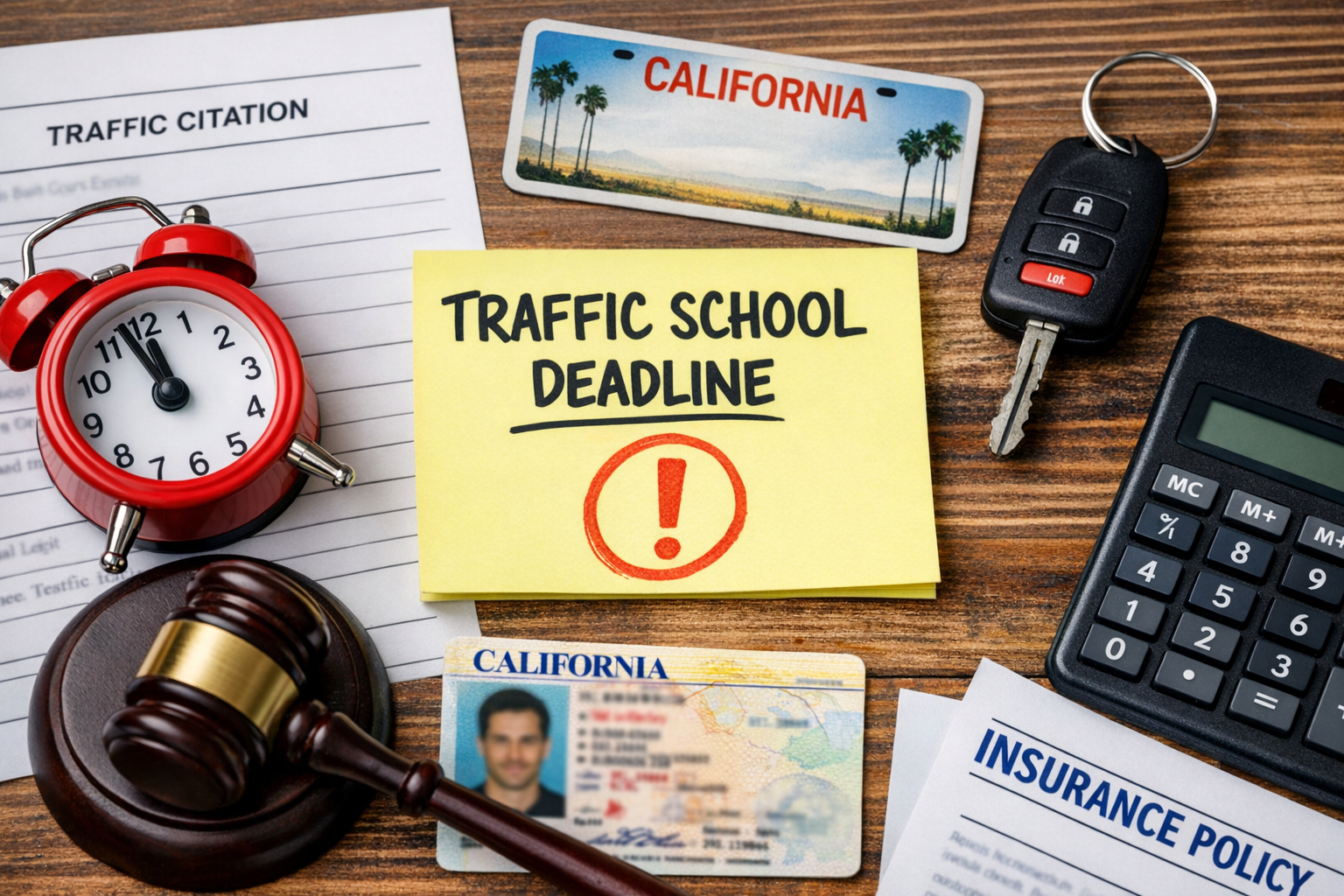
If a California court gives you the option to attend traffic school and you don’t complete it on time, the consequences can quietly snowball into fines, points, insurance hikes, and even license issues. Many drivers assume traffic school is optional once they pay the ticket — that’s a costly mistake.
Below is the chain of events that can happen if traffic school isn’t completed, plus how to fix it before real damage is done.
1) The Ticket Still Goes on Your Driving Record
Traffic school’s main benefit is point masking — it helps keep the conviction off your public driving record when you are eligible and complete the requirement on time.
If you don’t finish traffic school by the court deadline:
- The violation may be reported to the DMV
- You may receive 1 point (or more) on your record
- The conviction can remain visible for up to 3 years
2) Your Insurance Rates Can Jump (Often for Years)
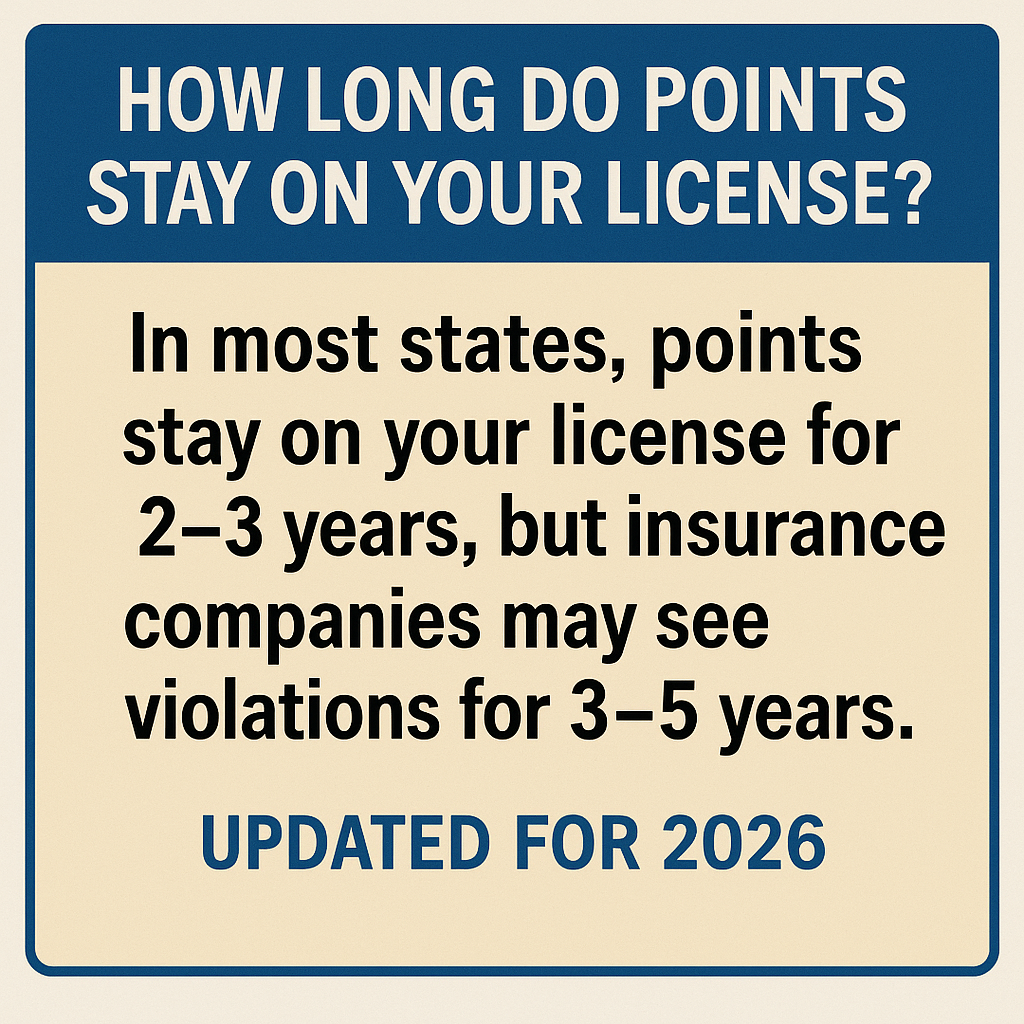
Insurance companies regularly review driving records. Once a point appears, it can trigger higher premiums for years.
- Premiums can increase significantly (often 20–40% depending on your insurer)
- Increases can last 3–5 years
- Some drivers may be reclassified as “higher risk”
In most cases, traffic school costs far less than even one year of increased insurance.
3) The Court Can Add Penalties or Reopen the Case
Missing the deadline isn’t just a DMV issue — it’s a court compliance problem.
Depending on the court and your case:
- You may lose traffic school eligibility for that ticket
- Additional administrative fees may apply
- Your case may revert to a standard conviction
- In some situations, the court may issue a failure-to-comply notice
Courts often don’t send reminders. The responsibility to complete traffic school is on the driver.
4) Points Add Up Faster Than Most Drivers Realize
California uses a point system, and points can add up quickly if you get another ticket later. Accumulating too many points in a short period may put you at risk for negligent operator status.
5) You May Lose Future Traffic School Eligibility
In California, traffic school is generally limited to once every 18 months (from violation date to violation date). If you don’t complete traffic school for a ticket you were eligible for, you may still lose the chance to use traffic school as a safety net for a future ticket within that window.
How to Fix It (If You’re Still Within the Deadline)
If your court deadline hasn’t passed yet, the fastest path is:
- Enroll in a DMV-licensed traffic school
- Complete the course (videos + quizzes)
- Confirm your completion is submitted to the court
- Save confirmation for your records
If the deadline has already passed, contact your court immediately and ask whether a deadline extension or reinstatement is available. Some courts allow late completion (often with a fee), but it’s not guaranteed.
California Traffic School Options by City & Court:
Browse court-accepted, DMV-licensed options here:
California Traffic School Directory
Frequently Asked Questions
Does traffic school remove the ticket?
No. You still pay the ticket/fine. Traffic school is primarily used to mask the point when eligible and completed on time.
What if I paid the ticket but didn’t do traffic school?
Paying the ticket doesn’t complete traffic school. If you miss the deadline, the conviction may be reported and the point may appear on your driving record.
Will the court remind me?
Usually no. Courts often don’t send reminders. It’s your responsibility to complete traffic school and ensure it’s submitted by the deadline.
Can I do traffic school after the deadline?
Sometimes. Some courts may allow a late completion or extension (often with a fee). Contact your court immediately to ask.
Final Takeaway
Traffic school in California isn’t just a formality — it’s damage control. Missing the deadline can cost far more than the ticket itself. Complete it on time, use a DMV-licensed provider, and confirm court submission.
Disclaimer: This article is for general educational purposes and does not provide legal advice. Court rules and eligibility can vary.










.png)