Traffic Rules and Right of Way | Complete Driver Guide
Author : Elias Riadi Published : February 24, 2026
Traffic Rules and Right of Way
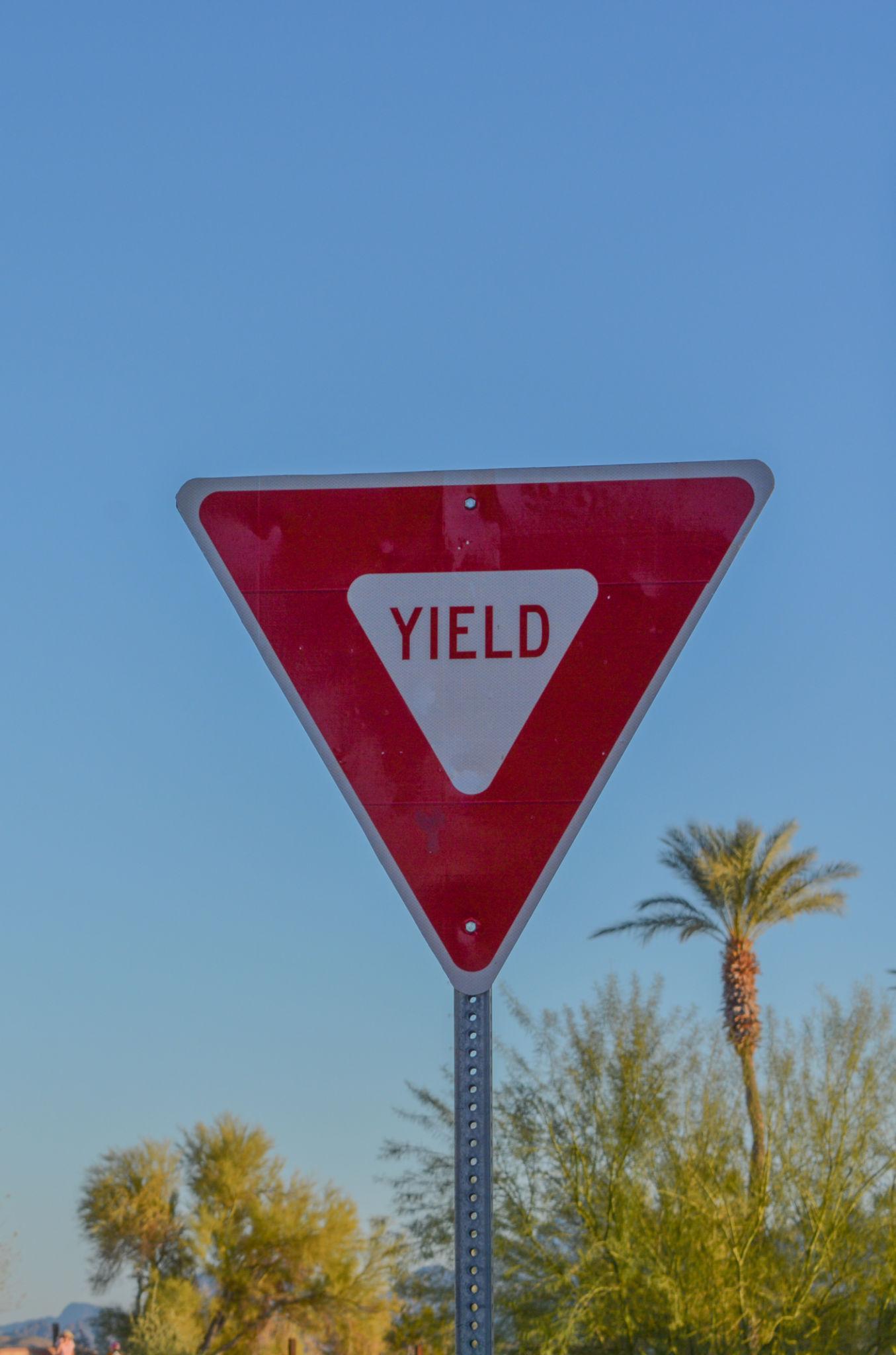
Understanding traffic rules and right-of-way laws is one of the most important parts of safe driving. Many accidents happen not because drivers are speeding, but because they misunderstand who should go first at an intersection, crosswalk, or merge point.
Whether you’re a new driver or simply refreshing your knowledge, knowing these rules helps prevent collisions, traffic citations, and insurance increases.
What Does “Right of Way” Mean?
The term right of way refers to the legal priority given to a driver, pedestrian, or cyclist to proceed first in a traffic situation. It does not mean you should aggressively take your turn — it means traffic laws give you priority under specific circumstances.
Safe drivers don’t just insist on their right of way — they drive defensively and stay alert.
Right of Way at Intersections
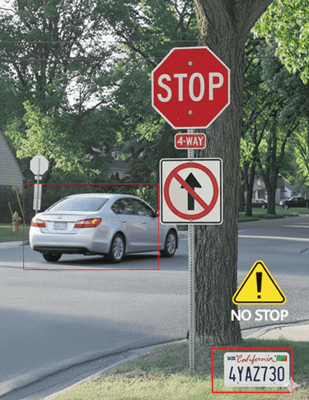
Four-Way Stops
- The first vehicle to come to a complete stop goes first.
- If two vehicles stop at the same time, the driver on the right has the right of way.
- When facing each other, a driver turning left must yield to a driver going straight.
Uncontrolled Intersections
At intersections without signs or signals, drivers must slow down and yield to vehicles already in the intersection or approaching from the right.
Pedestrian Right of Way
Pedestrians typically have the right of way at marked and unmarked crosswalks. Drivers must stop and allow pedestrians to cross safely. However, pedestrians must also obey traffic signals and avoid suddenly stepping into traffic.
Failing to yield to pedestrians can result in serious penalties and increased liability.
Merging and Lane Changes
When merging onto a highway, drivers entering the roadway must yield to vehicles already traveling in that lane. Signal early, adjust speed, and merge smoothly without forcing other vehicles to brake suddenly.
Emergency Vehicles
If you see flashing lights or hear a siren, you must yield the right of way immediately. Safely pull over to the right side of the road and stop until the emergency vehicle passes.
Why Right-of-Way Violations Matter
Failure to yield violations are common causes of traffic collisions. Beyond fines, these violations can add points to your driving record and increase insurance premiums.
Completing a state-approved traffic school course can help drivers better understand these laws and, in eligible cases, protect their driving record.
FAQs
What does right of way mean in driving?
Right of way refers to the legal priority that determines who proceeds first in a traffic situation.
Who has the right of way at a four-way stop?
The first vehicle to stop goes first. If vehicles arrive simultaneously, the vehicle on the right has priority.
Do pedestrians always have the right of way?
Pedestrians generally have the right of way at crosswalks, but they must also follow traffic laws and signals.
What should drivers do when emergency vehicles approach?
Drivers must pull over to the right and stop until the emergency vehicle has safely passed.
Final Thoughts
Understanding traffic rules and right-of-way laws isn’t just about avoiding tickets — it’s about preventing accidents. Defensive driving, awareness, and patience are just as important as knowing the law.
Staying informed keeps roads safer for everyone.
Recent Posts

Best Online Traffic Schools in California | DMV Approved & Court Accepted
24 February 2026
Affordable Online Traffic Schools in California
24 February 2026
Speed Camera and Red Light Ticket Issues
17 February 2026
Parking and Traffic Ticket Payments
17 February 2026
What Happens If You Don’t Complete Traffic School in California?
02 February 2026

How to Check Tire Pressure: Step-by-Step Guide for Safe Driving
30 December 2025

How to Jump Start a Car: Step-by-Step Safe Guide
26 December 2025

Car Maintenance
26 December 2025
How to Get a Driver’s License in Florida Over 18 (Step-by-Step Guide)
22 December 2025
Pennant Shaped Sign
22 December 2025
Revoked License Meaning: What It Is, Why It Happens, and How to Get It Back
14 December 2025

How Much Does AZ Traffic School Cost? Arizona Defensive Driving Explained
14 December 2025
TDLR Approved Driving Safety Course – Complete Guide
14 December 2025
How to Get a Driver’s License in Florida Over 18 (Complete Guide)
14 December 2025

Yellow Traffic Light Laws: What Drivers Must Do and Common Myths Explained
14 December 2025

California Driver’s License Test Requirements 2026 Guide
14 December 2025
Expired Driver’s License Renewal Requirements in Florida (2026 Guide)
14 December 2025

What Happens If You Dont Pay a Traffic Ticket 2026 Guide
08 December 2025
.png)
Right of Way Rules Every Driver Gets Wrong
08 December 2025
How Long Do Points Stay On Your License - Updated for 2026
08 December 2025

What Happens If You Don’t Pay a Traffic Ticket? (2026 Guide)
08 December 2025
How Many Points Is a Stop Sign Ticket? State-by-State Guide
08 December 2025

4-Way Stop Rules Every Driver Gets Wrong
08 December 2025
California Traffic School Requirements (2026 Update)
08 December 2025

How To Dismiss a Speeding Ticket Without Going to Court (2026 Guide)
08 December 2025
Defensive Driving Course vs. Traffic School — What’s the Difference?
08 December 2025