How to Jump Start a Car: Step-by-Step Safe Guide
Author : Elias Riadi Published : December 31, 2025
How to Jump Start a Car: Step-by-Step Safe Guide
How to Jump Start a Car
Jump starting a car is a safe and effective way to restart a vehicle with a dead battery when done correctly. Following the proper steps helps prevent damage to the vehicle and keeps drivers safe.
A dead car battery can happen unexpectedly, leaving drivers stranded at home, work, or on the road. Knowing how to jump start a car is an essential skill for every driver.
This guide explains exactly how to jump start a car step by step, including safety precautions, correct jumper cable order, common mistakes, and what to do if your vehicle still will not start.
Table of Contents
- 1. What Is a Jump Start?
- 2. When You Should Jump Start a Car
- 3. What You Need to Jump Start a Car
- 4. Safety Precautions Before Jump Starting
- 5. Step-by-Step: How to Jump Start a Car
- 6. Correct Jumper Cable Connection Order
- 7. After the Car Starts: What to Do Next
- 8. Common Jump Starting Mistakes
- 9. What If the Car Still Won’t Start?
- 10. Frequently Asked Questions
1. What Is a Jump Start?
A jump start uses power from a working battery to provide enough electrical energy to start a vehicle with a dead battery.
Once the engine starts, the vehicle’s alternator helps recharge the battery while the engine runs.
2. When You Should Jump Start a Car
Jump starting is appropriate when a battery has lost charge due to:
- Leaving lights on
- Cold weather
- Infrequent vehicle use
- Aging batteries
3. What You Need to Jump Start a Car
To jump start a vehicle, you need:
- A set of jumper cables
- A working vehicle with a charged battery
- Protective gloves or eyewear (recommended)
4. Safety Precautions Before Jump Starting
Before connecting jumper cables:
- Turn off both vehicles
- Ensure vehicles are not touching
- Engage parking brakes
- Inspect batteries for damage or leaks
5. Step-by-Step: How to Jump Start a Car
Follow these steps carefully:
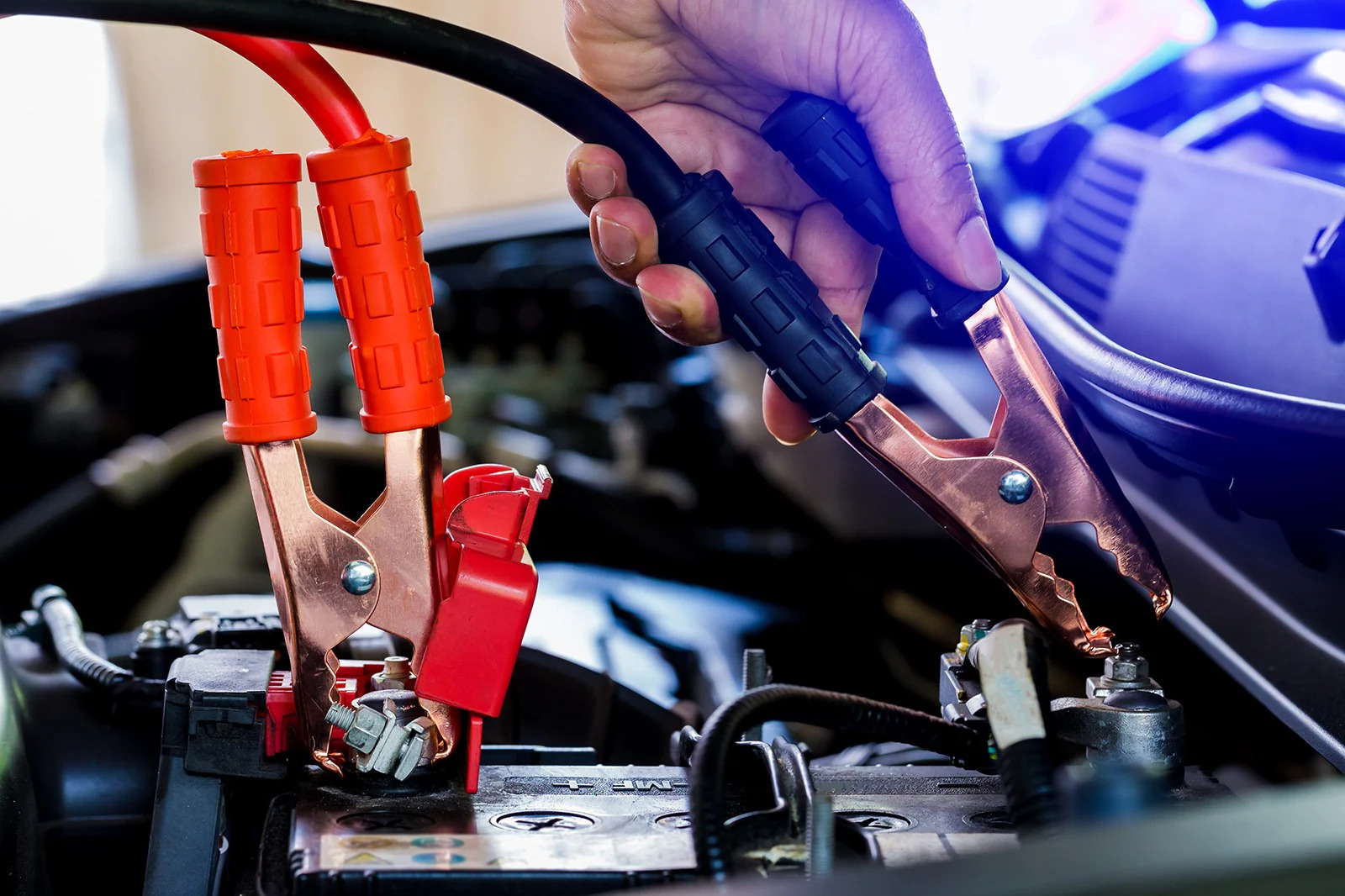
- Attach the red clamp to the positive terminal of the dead battery.
- Attach the other red clamp to the positive terminal of the good battery.
- Attach the black clamp to the negative terminal of the good battery.
- Attach the final black clamp to an unpainted metal surface on the dead car.
- Start the working vehicle and let it run.
- Attempt to start the dead vehicle.
6. Correct Jumper Cable Connection Order
Connecting cables in the correct order reduces the risk of sparks and electrical damage.
Always connect positive terminals first and ground the final connection away from the dead battery.
7. After the Car Starts: What to Do Next
Once the vehicle starts:
- Leave both vehicles running briefly
- Disconnect cables in reverse order
- Drive the vehicle for at least 20 minutes
8. Common Jump Starting Mistakes
- Reversing cable polarity
- Allowing clamps to touch
- Jump starting a damaged battery
9. What If the Car Still Won’t Start?
If the car does not start:
- Wait a few minutes and try again
- Check cable connections
- Consider battery replacement
10. Frequently Asked Questions
Can you jump start in the rain?
Yes, with caution, ensuring clamps stay dry.
Can hybrid or electric cars be jump started?
Some hybrids can, but electric vehicles typically cannot.
How long do jumper cables need to stay connected?
Only until the dead vehicle starts successfully.
Recent Posts
Traffic Rules and Right of Way | Complete Driver Guide
24 February 2026

Best Online Traffic Schools in California | DMV Approved & Court Accepted
24 February 2026
Affordable Online Traffic Schools in California
24 February 2026
Speed Camera and Red Light Ticket Issues
17 February 2026
Parking and Traffic Ticket Payments
17 February 2026
What Happens If You Don’t Complete Traffic School in California?
02 February 2026

How to Check Tire Pressure: Step-by-Step Guide for Safe Driving
30 December 2025
Car Maintenance
26 December 2025
How to Get a Driver’s License in Florida Over 18 (Step-by-Step Guide)
22 December 2025

Pennant Shaped Sign
22 December 2025
Revoked License Meaning: What It Is, Why It Happens, and How to Get It Back
14 December 2025

How Much Does AZ Traffic School Cost? Arizona Defensive Driving Explained
14 December 2025
TDLR Approved Driving Safety Course – Complete Guide
14 December 2025
How to Get a Driver’s License in Florida Over 18 (Complete Guide)
14 December 2025

Yellow Traffic Light Laws: What Drivers Must Do and Common Myths Explained
14 December 2025

California Driver’s License Test Requirements 2026 Guide
14 December 2025
Expired Driver’s License Renewal Requirements in Florida (2026 Guide)
14 December 2025
What Happens If You Dont Pay a Traffic Ticket 2026 Guide
08 December 2025
.png)
Right of Way Rules Every Driver Gets Wrong
08 December 2025
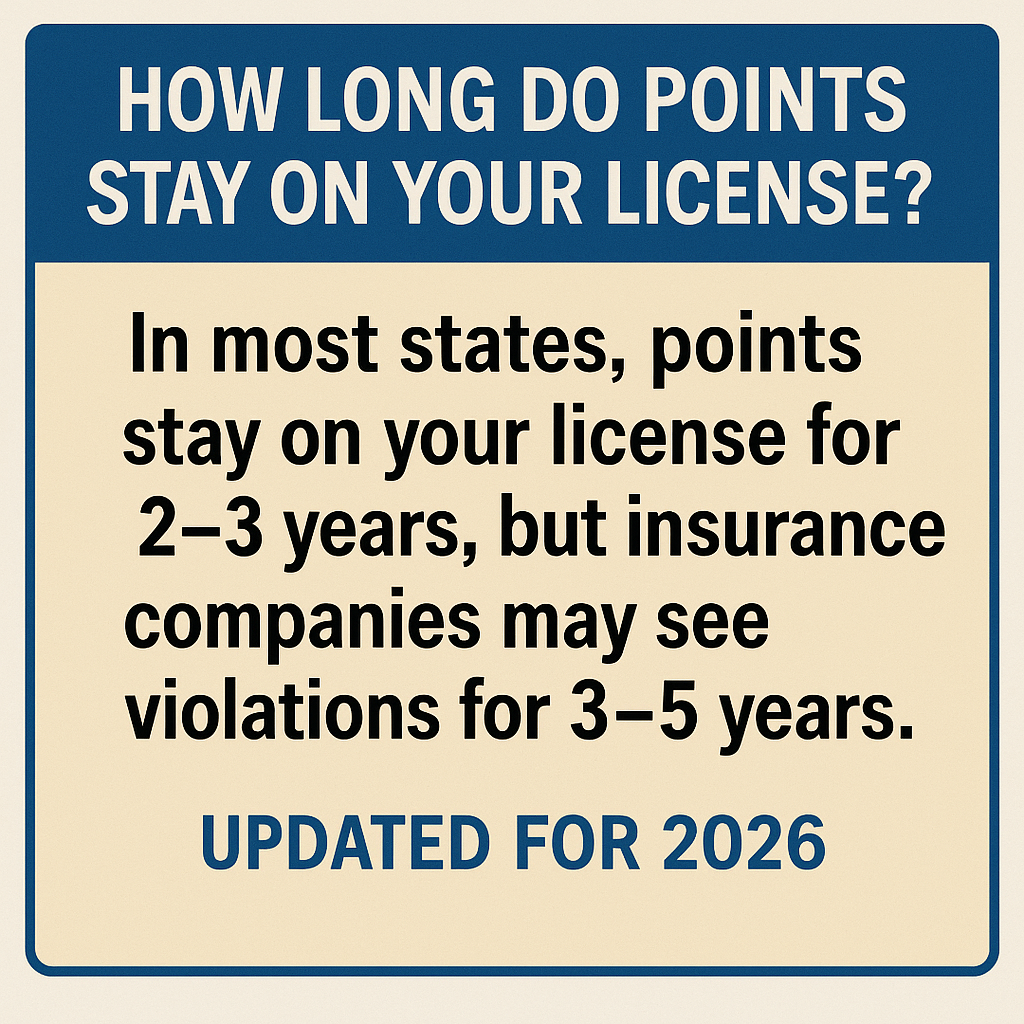
How Long Do Points Stay On Your License - Updated for 2026
08 December 2025

What Happens If You Don’t Pay a Traffic Ticket? (2026 Guide)
08 December 2025
How Many Points Is a Stop Sign Ticket? State-by-State Guide
08 December 2025

4-Way Stop Rules Every Driver Gets Wrong
08 December 2025
California Traffic School Requirements (2026 Update)
08 December 2025

How To Dismiss a Speeding Ticket Without Going to Court (2026 Guide)
08 December 2025
Defensive Driving Course vs. Traffic School — What’s the Difference?
08 December 2025