How to Check Tire Pressure: Step-by-Step Guide for Safe Driving
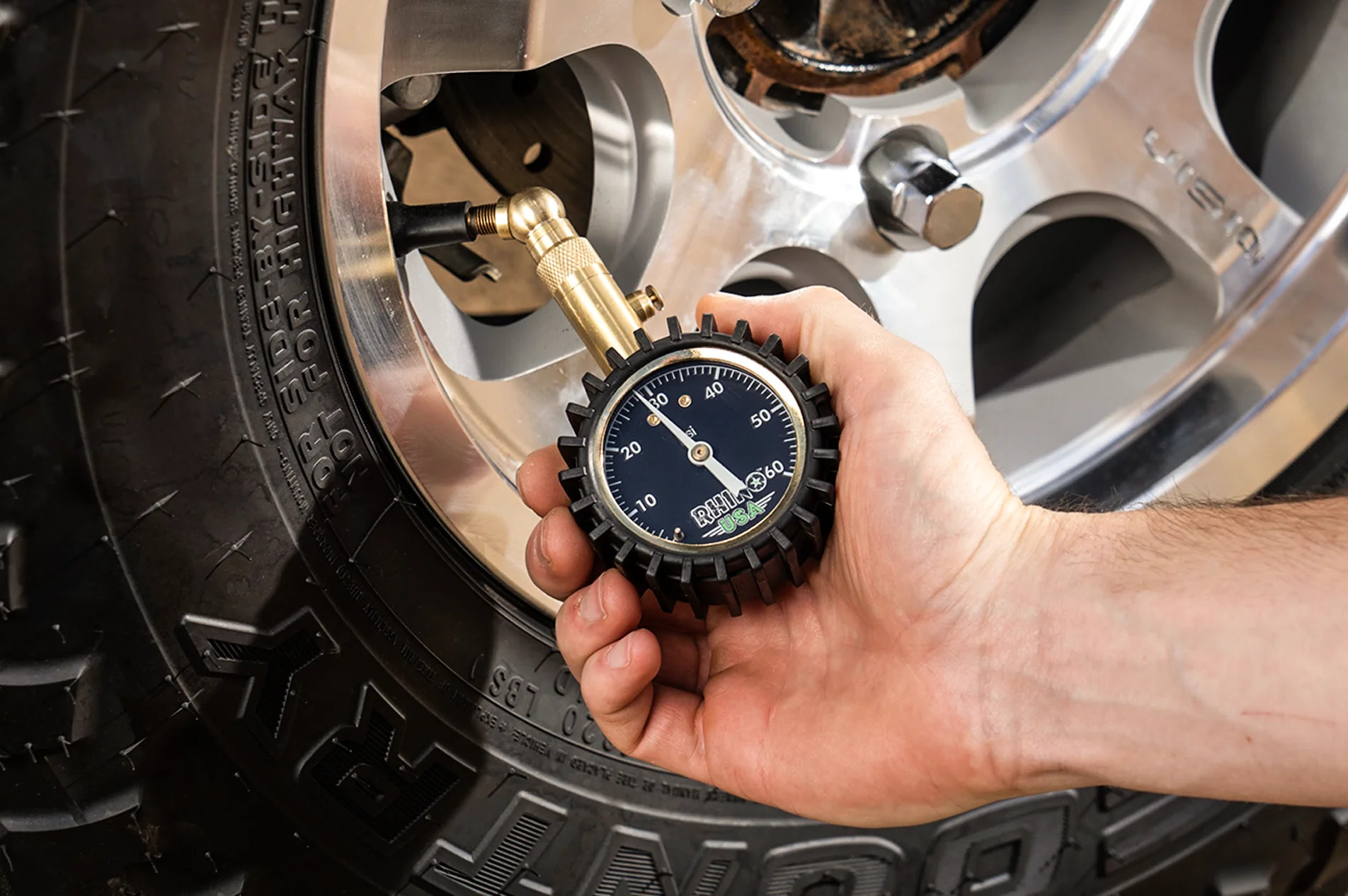
Author : Elias Riadi Published : December 30, 2025
How to Check Tire Pressure: Step-by-Step Guide for Safe Driving
How to Check Tire Pressure

Checking tire pressure is a simple but essential maintenance task that improves vehicle safety, handling, and fuel efficiency. Properly inflated tires help prevent accidents and extend tire life.
Many drivers overlook tire pressure until a warning light appears or a tire looks visibly low. However, incorrect tire pressure—whether too high or too low—can negatively affect braking, steering, and overall driving safety.
This guide explains how to check tire pressure correctly, find the proper PSI for your vehicle, and understand why maintaining correct tire pressure is critical for safe driving.
Table of Contents
- 1. What Is Tire Pressure?
- 2. Why Proper Tire Pressure Matters
- 3. Finding the Correct Tire Pressure (PSI)
- 4. Tools Needed to Check Tire Pressure
- 5. Step-by-Step: How to Check Tire Pressure
- 6. When and How Often to Check Tire Pressure
- 7. Common Tire Pressure Mistakes
- 8. Tire Pressure Monitoring Systems (TPMS)
- 9. Effects of Underinflated and Overinflated Tires
- 10. Frequently Asked Questions
1. What Is Tire Pressure?
Tire pressure refers to the amount of air inside a tire, measured in pounds per square inch (PSI). Proper pressure allows tires to support vehicle weight and maintain optimal contact with the road.
Incorrect tire pressure can cause uneven wear, reduced traction, and increased stopping distance.
2. Why Proper Tire Pressure Matters
Maintaining proper tire pressure is important because it:
- Improves vehicle handling and stability
- Reduces braking distance
- Improves fuel efficiency
- Prevents premature tire wear
- Reduces risk of blowouts

3. Finding the Correct Tire Pressure (PSI)
The correct tire pressure for your vehicle is not the number printed on the tire sidewall.
Instead, drivers should check:
- The driver’s side door jamb sticker
- The vehicle owner’s manual
4. Tools Needed to Check Tire Pressure
To check tire pressure, you will need:
- A tire pressure gauge (digital or manual)
- Access to an air compressor (if adjustment is needed)

5. Step-by-Step: How to Check Tire Pressure
Follow these steps:
- Ensure tires are cold.
- Remove the valve stem cap.
- Press the gauge firmly onto the valve stem.
- Read the PSI measurement.
- Compare to recommended PSI.
- Add or release air as needed.
6. When and How Often to Check Tire Pressure
Tire pressure should be checked at least once a month and before long trips.
Temperature changes can cause pressure fluctuations, especially during seasonal transitions.
7. Common Tire Pressure Mistakes
- Using tire sidewall PSI instead of vehicle PSI
- Checking pressure after driving
- Ignoring spare tire pressure
8. Tire Pressure Monitoring Systems (TPMS)
Most modern vehicles are equipped with TPMS, which alerts drivers when tire pressure is significantly low.
However, TPMS does not replace manual checks.

9. Effects of Underinflated and Overinflated Tires
Underinflated tires can cause excessive heat buildup, while overinflated tires reduce traction.
Both conditions increase accident risk.
10. Frequently Asked Questions
Can I rely on TPMS alone?
No. TPMS alerts only when pressure drops significantly.
Does weather affect tire pressure?
Yes. Cold temperatures lower tire pressure.
Should all tires have the same PSI?
Not always. Follow manufacturer recommendations.
Recent Posts
Traffic Rules and Right of Way | Complete Driver Guide
24 February 2026

Best Online Traffic Schools in California | DMV Approved & Court Accepted
24 February 2026
Affordable Online Traffic Schools in California
24 February 2026
Speed Camera and Red Light Ticket Issues
17 February 2026
Parking and Traffic Ticket Payments
17 February 2026
What Happens If You Don’t Complete Traffic School in California?
02 February 2026
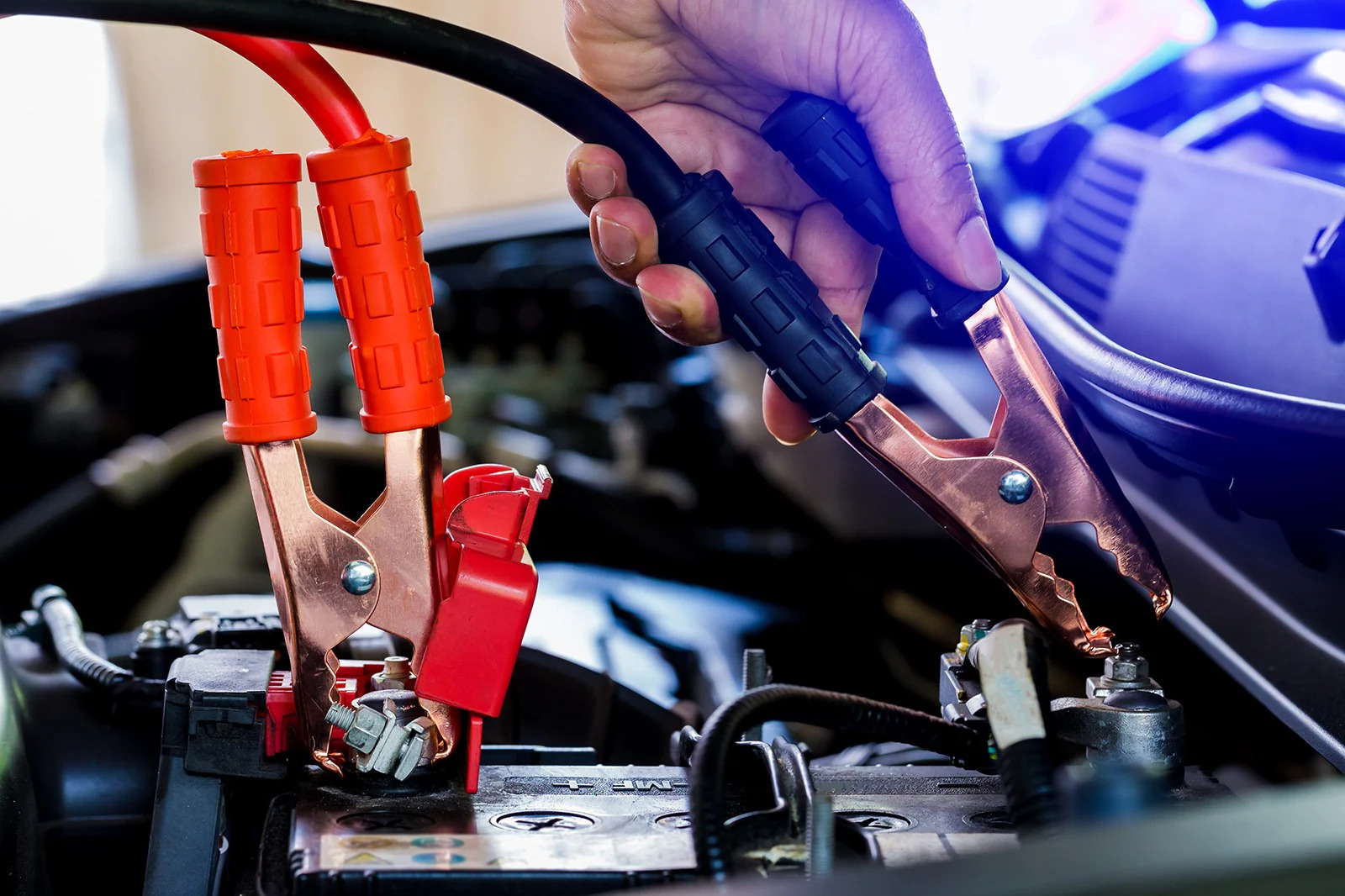
How to Jump Start a Car: Step-by-Step Safe Guide
26 December 2025
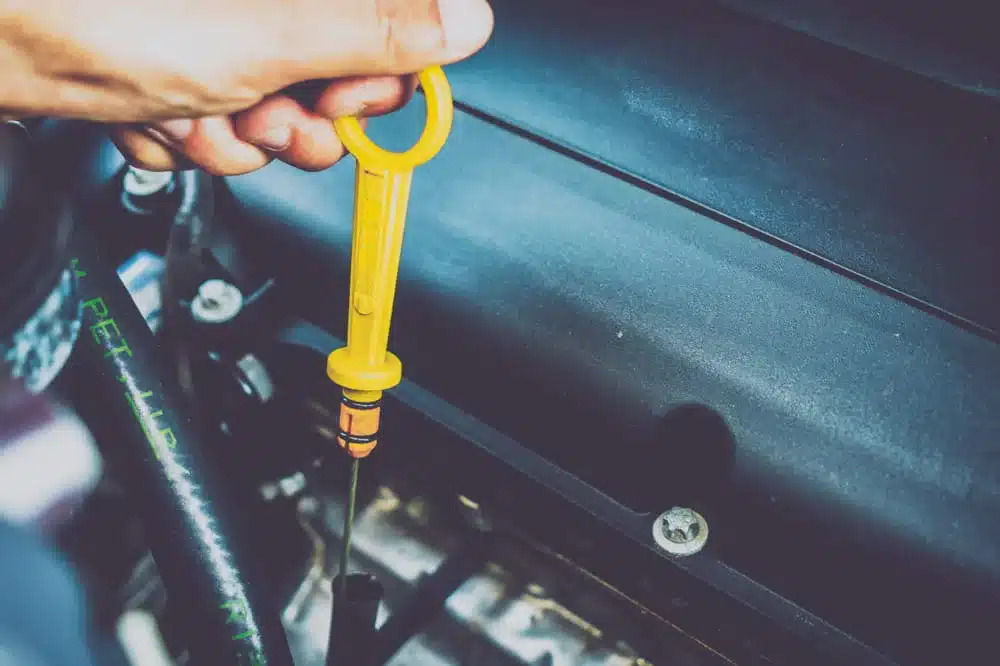
Car Maintenance
26 December 2025
How to Get a Driver’s License in Florida Over 18 (Step-by-Step Guide)
22 December 2025
Pennant Shaped Sign
22 December 2025

Revoked License Meaning: What It Is, Why It Happens, and How to Get It Back
14 December 2025

How Much Does AZ Traffic School Cost? Arizona Defensive Driving Explained
14 December 2025
TDLR Approved Driving Safety Course – Complete Guide
14 December 2025
How to Get a Driver’s License in Florida Over 18 (Complete Guide)
14 December 2025

Yellow Traffic Light Laws: What Drivers Must Do and Common Myths Explained
14 December 2025

California Driver’s License Test Requirements 2026 Guide
14 December 2025

Expired Driver’s License Renewal Requirements in Florida (2026 Guide)
14 December 2025

What Happens If You Dont Pay a Traffic Ticket 2026 Guide
08 December 2025
.png)
Right of Way Rules Every Driver Gets Wrong
08 December 2025
How Long Do Points Stay On Your License - Updated for 2026
08 December 2025

What Happens If You Don’t Pay a Traffic Ticket? (2026 Guide)
08 December 2025
How Many Points Is a Stop Sign Ticket? State-by-State Guide
08 December 2025

4-Way Stop Rules Every Driver Gets Wrong
08 December 2025

California Traffic School Requirements (2026 Update)
08 December 2025

How To Dismiss a Speeding Ticket Without Going to Court (2026 Guide)
08 December 2025
Defensive Driving Course vs. Traffic School — What’s the Difference?
08 December 2025