Pennant Shaped Sign
Author : Elias Riadi Published : December 31, 2025
Pennant Shaped Sign Meaning: What Drivers Must Know
Pennant Shaped Sign: Meaning, Purpose, and How Drivers Should Respond
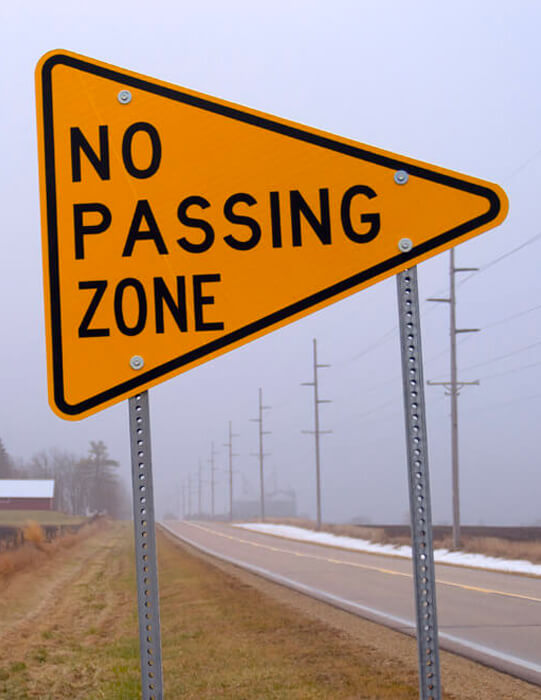
A pennant shaped sign marks the beginning of a no passing zone. It warns drivers that passing other vehicles is prohibited due to limited visibility or unsafe roadway conditions.
Traffic signs come in many shapes and colors, each designed to communicate a specific message quickly and clearly. Among these shapes, the pennant shaped sign is one of the least common—but one of the most important to understand.
Many drivers encounter this sign on two-lane highways or rural roads and may not immediately recognize its meaning. This guide explains exactly what a pennant shaped sign means, why it exists, where it is placed, and how drivers should respond to stay safe and avoid citations.
Table of Contents
- 1. What Is a Pennant Shaped Sign?
- 2. What Does a Pennant Shaped Sign Mean?
- 3. Why Pennant Signs Are Used
- 4. Where Pennant Shaped Signs Are Located
- 5. No Passing Zones Explained
- 6. How Drivers Should Respond
- 7. Common Mistakes Drivers Make
- 8. Penalties for Ignoring a Pennant Sign
- 9. Pennant Signs vs Other Traffic Signs
- 10. Frequently Asked Questions
1. What Is a Pennant Shaped Sign?
A pennant shaped sign is a triangular sign that looks like a sideways flag or banner. Unlike other triangular signs that point upward or downward, the pennant sign points horizontally to the right.
This unique shape helps it stand out and immediately alerts drivers that the information being conveyed is different from typical warning or regulatory signs.
2. What Does a Pennant Shaped Sign Mean?
The pennant shaped sign marks the beginning of a no passing zone. When drivers see this sign, it means they are entering a section of road where passing is prohibited.
The restriction exists because passing in that area would be unsafe due to limited sight distance, curves, hills, or other roadway conditions.
3. Why Pennant Signs Are Used
Pennant signs are used to supplement pavement markings such as solid yellow center lines.
They provide an additional visual warning—especially helpful at night, in poor weather, or when pavement markings are worn or hard to see.
4. Where Pennant Shaped Signs Are Located
Unlike most traffic signs, pennant shaped signs are placed on the left side of the roadway rather than the right.
This placement reinforces the message that the restriction applies to passing traffic traveling in that direction.
5. No Passing Zones Explained
No passing zones are designated areas where overtaking another vehicle would be dangerous.
These zones are determined by roadway engineers based on visibility, traffic patterns, and accident history.
6. How Drivers Should Respond
When you see a pennant shaped sign, you should:
- Remain in your lane
- Do not attempt to pass slower vehicles
- Maintain a safe following distance
- Be prepared for oncoming traffic
7. Common Mistakes Drivers Make
Some drivers mistakenly believe that passing is allowed if they can see far enough ahead. This is incorrect.
Once a no passing zone begins, passing is illegal regardless of personal judgment.
8. Penalties for Ignoring a Pennant Sign
Passing in a no passing zone can result in:
- Traffic citations
- Fines
- Points on your driving record
- Increased insurance rates
9. Pennant Signs vs Other Traffic Signs
The pennant shaped sign is unique because it is the only sign with this specific shape and purpose.
Other sign shapes, such as octagons or diamonds, convey different types of instructions or warnings.
10. Frequently Asked Questions
Is the pennant sign the same in every state?
Yes. The pennant shaped no passing sign is standardized across the United States.
Does the sign replace road markings?
No. It supplements pavement markings but does not replace them.
Can weather affect the sign’s importance?
Yes. Poor visibility makes the sign even more critical for safety.
Recent Posts
Traffic Rules and Right of Way | Complete Driver Guide
24 February 2026

Best Online Traffic Schools in California | DMV Approved & Court Accepted
24 February 2026
Affordable Online Traffic Schools in California
24 February 2026
Speed Camera and Red Light Ticket Issues
17 February 2026
Parking and Traffic Ticket Payments
17 February 2026

What Happens If You Don’t Complete Traffic School in California?
02 February 2026

How to Check Tire Pressure: Step-by-Step Guide for Safe Driving
30 December 2025

How to Jump Start a Car: Step-by-Step Safe Guide
26 December 2025

Car Maintenance
26 December 2025
How to Get a Driver’s License in Florida Over 18 (Step-by-Step Guide)
22 December 2025

Revoked License Meaning: What It Is, Why It Happens, and How to Get It Back
14 December 2025

How Much Does AZ Traffic School Cost? Arizona Defensive Driving Explained
14 December 2025
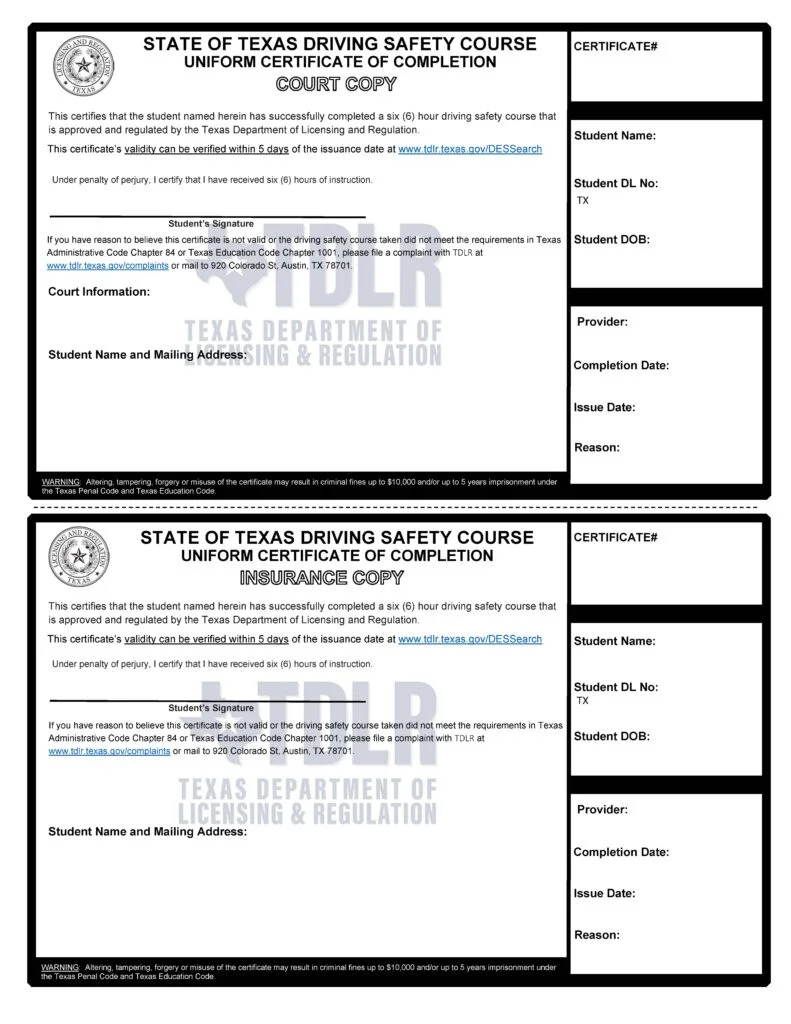
TDLR Approved Driving Safety Course – Complete Guide
14 December 2025
How to Get a Driver’s License in Florida Over 18 (Complete Guide)
14 December 2025
Yellow Traffic Light Laws: What Drivers Must Do and Common Myths Explained
14 December 2025

California Driver’s License Test Requirements 2026 Guide
14 December 2025
Expired Driver’s License Renewal Requirements in Florida (2026 Guide)
14 December 2025

What Happens If You Dont Pay a Traffic Ticket 2026 Guide
08 December 2025
.png)
Right of Way Rules Every Driver Gets Wrong
08 December 2025
How Long Do Points Stay On Your License - Updated for 2026
08 December 2025

What Happens If You Don’t Pay a Traffic Ticket? (2026 Guide)
08 December 2025
How Many Points Is a Stop Sign Ticket? State-by-State Guide
08 December 2025

4-Way Stop Rules Every Driver Gets Wrong
08 December 2025

California Traffic School Requirements (2026 Update)
08 December 2025

How To Dismiss a Speeding Ticket Without Going to Court (2026 Guide)
08 December 2025
Defensive Driving Course vs. Traffic School — What’s the Difference?
08 December 2025