Yellow Traffic Light Laws: What Drivers Must Do and Common Myths Explained
Author : Elias Riadi Published : December 14, 2025
Yellow Traffic Light Laws: What Drivers Must Do & Common Myths Explained
Yellow Traffic Light Laws: What Drivers Must Do and Common Myths Explained
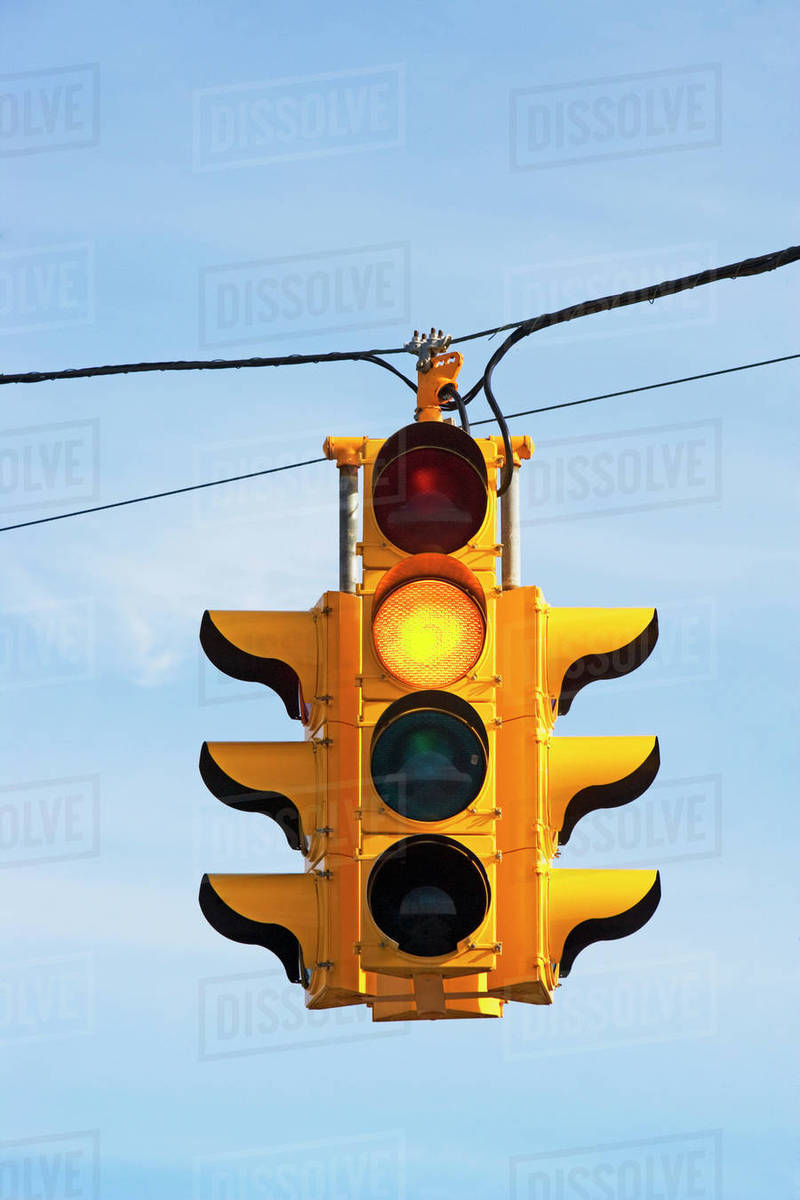
A yellow traffic light does not mean “speed up.” It means the signal is about to turn red and drivers must stop if they can do so safely. Proceeding through a yellow light is only allowed when stopping would be unsafe.
Yellow traffic lights cause more confusion, tickets, and crashes than almost any other traffic signal. Many drivers believe a yellow light gives them permission to accelerate through an intersection. Others assume stopping is always required. The truth lies in the law, which balances safety, reaction time, and intersection design.
This guide explains what a yellow traffic light legally means, when you must stop, when you may proceed, common myths, enforcement practices, and how to protect yourself from tickets and collisions.
Table of Contents
- 1. What a Yellow Traffic Light Means
- 2. Must You Stop at a Yellow Light?
- 3. When It Is Legal to Proceed on Yellow
- 4. Common Myths About Yellow Lights
- 5. Yellow Light Timing and Engineering
- 6. Can You Get a Ticket for a Yellow Light?
- 7. Yellow Lights, Red Lights, and Enforcement
- 8. Safety Risks at Yellow Lights
- 9. Defensive Driving Tips at Intersections
- 10. Frequently Asked Questions
1. What a Yellow Traffic Light Means
A yellow traffic light is a warning signal. It tells drivers that the green phase is ending and the signal will soon turn red.
Traffic laws across the United States use similar language: a yellow signal warns that a red signal is imminent. The purpose is not to rush drivers through the intersection, but to give them enough time to decide whether stopping is safe.
Yellow lights exist to reduce abrupt stops, rear-end collisions, and red-light violations. They are a transition phase designed to improve safety, not a permission signal.
2. Must You Stop at a Yellow Light?
Drivers are required to stop at a yellow light if they can do so safely. This is the key legal standard.
If you are far enough from the intersection and traveling at a reasonable speed, you are expected to brake and stop. If stopping suddenly would cause a collision or loss of control, the law allows you to proceed.
Courts and traffic officers look at factors such as:
- Your speed
- Distance from the intersection
- Road conditions
- Traffic behind you
- Visibility and weather
3. When It Is Legal to Proceed on Yellow
Proceeding through a yellow light is legal when stopping would be unsafe. This often applies when:
- You are too close to the intersection to stop smoothly
- A sudden stop could cause a rear-end collision
- You are already in the intersection when the light changes
However, intentionally accelerating to “beat the red” weakens your legal defense if cited.
4. Common Myths About Yellow Lights
Many drivers rely on myths rather than the law:
- Myth: Yellow means speed up.
- Myth: You can never be ticketed for yellow.
- Myth: Yellow lights are too short on purpose.
These beliefs often lead to unsafe decisions and violations.
5. Yellow Light Timing and Engineering
Yellow light duration is not random. Traffic engineers calculate timing based on:
- Speed limits
- Intersection width
- Road grade
- Driver perception-reaction time
Higher-speed roads usually have longer yellow phases. While timing varies by location, most jurisdictions follow nationally accepted engineering standards.
6. Can You Get a Ticket for a Yellow Light?
Yes. A driver may receive a citation if an officer believes they could have safely stopped.
Tickets are often issued when:
- The driver accelerates aggressively
- The vehicle enters late in the yellow phase
- The behavior appears reckless
In disputes, evidence such as dashcam footage or signal timing can matter.
7. Yellow Lights, Red Lights, and Enforcement
A yellow light itself is not a red-light violation. The violation occurs if the vehicle enters the intersection after the signal turns red.
Red-light cameras, where legal, typically trigger only when a vehicle crosses the stop line after red.
8. Safety Risks at Yellow Lights
Intersections during yellow phases are high-risk zones. Common crashes include:
- Rear-end collisions
- Side-impact (T-bone) crashes
- Pedestrian conflicts
Drivers who hesitate or make sudden decisions increase danger for everyone.
9. Defensive Driving Tips at Intersections
To handle yellow lights safely:
- Anticipate signal changes
- Maintain safe following distance
- Avoid sudden acceleration
- Brake smoothly and early
- Stay alert for cross traffic
Defensive driving reduces ticket risk and prevents crashes.
10. Frequently Asked Questions
Is it illegal to enter on yellow?
No, as long as stopping safely was not possible.
Can yellow light timing be challenged?
In some cases, yes, especially if timing violates engineering standards.
Does traffic school help with yellow light tickets?
Yes. Traffic school can often prevent points or insurance increases.
Recent Posts
Traffic Rules and Right of Way | Complete Driver Guide
24 February 2026

Best Online Traffic Schools in California | DMV Approved & Court Accepted
24 February 2026
Affordable Online Traffic Schools in California
24 February 2026
Speed Camera and Red Light Ticket Issues
17 February 2026
Parking and Traffic Ticket Payments
17 February 2026
What Happens If You Don’t Complete Traffic School in California?
02 February 2026

How to Check Tire Pressure: Step-by-Step Guide for Safe Driving
30 December 2025

How to Jump Start a Car: Step-by-Step Safe Guide
26 December 2025
Car Maintenance
26 December 2025
How to Get a Driver’s License in Florida Over 18 (Step-by-Step Guide)
22 December 2025
Pennant Shaped Sign
22 December 2025
Revoked License Meaning: What It Is, Why It Happens, and How to Get It Back
14 December 2025

How Much Does AZ Traffic School Cost? Arizona Defensive Driving Explained
14 December 2025
TDLR Approved Driving Safety Course – Complete Guide
14 December 2025
How to Get a Driver’s License in Florida Over 18 (Complete Guide)
14 December 2025

California Driver’s License Test Requirements 2026 Guide
14 December 2025
Expired Driver’s License Renewal Requirements in Florida (2026 Guide)
14 December 2025

What Happens If You Dont Pay a Traffic Ticket 2026 Guide
08 December 2025
.png)
Right of Way Rules Every Driver Gets Wrong
08 December 2025
How Long Do Points Stay On Your License - Updated for 2026
08 December 2025

What Happens If You Don’t Pay a Traffic Ticket? (2026 Guide)
08 December 2025
How Many Points Is a Stop Sign Ticket? State-by-State Guide
08 December 2025

4-Way Stop Rules Every Driver Gets Wrong
08 December 2025
California Traffic School Requirements (2026 Update)
08 December 2025

How To Dismiss a Speeding Ticket Without Going to Court (2026 Guide)
08 December 2025
Defensive Driving Course vs. Traffic School — What’s the Difference?
08 December 2025